In recent years, Spongev2 has emerged as a frontrunner in the realm of innovative materials designed to enhance performance across various applications. With its unique structure and versatile properties, Spongev2 has become increasingly popular in sectors ranging from automotive to healthcare. This article aims to explore the features, benefits, and innovations associated with Spongev2, shedding light on why it is a game-changer in its field.

Spongev2 is a specialized material characterized by its sponge-like structure, which enables it to absorb, compress, and return to its original shape effectively. This adaptability makes it an ideal solution for applications requiring flexibility and strength. Spongev2 is typically composed of cross-linked polymers, which contribute to its remarkable resilience and durability.
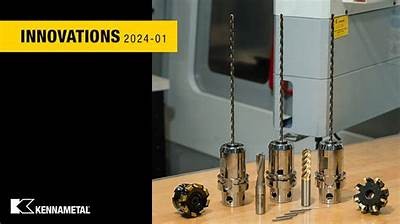
One of the most significant advantages of Spongev2 is its lightweight nature, which does not compromise its strength. This characteristic allows for easy handling and application in various industries, where heavy materials may not be feasible.
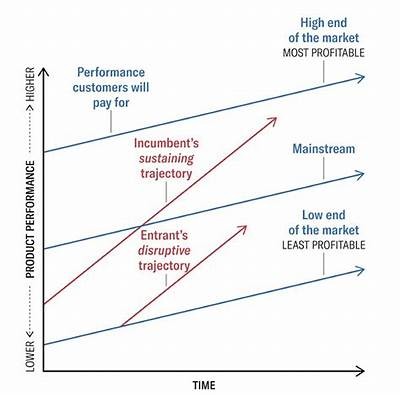
Due to its sponge-like qualities, Spongev2 excels in absorbency, making it suitable for applications such as cushioning, insulation, and even filtration in some scenarios. Its ability to absorb both liquids and vibrations enhances its usability in diverse environments.
Another standout feature of Spongev2 is its customizable properties. Manufacturers can tailor its density, thickness, and overall composition to meet specific needs, ensuring versatility in its application.
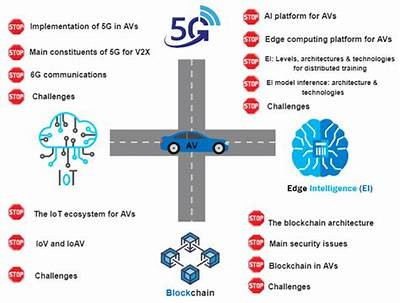
Spongev2 exhibits excellent temperature resistance, making it suitable for use in extreme heat or cold environments. This feature is particularly beneficial in industries like aerospace and automotive, where materials are subjected to significant temperature variations. Benefits of Using Spongev2 1. Enhanced Performance
The innovative structure of Spongev2 significantly contributes to enhanced performance in a variety of applications. For instance, its absorbency and flexibility allow it to serve as superior cushioning material, providing better protection for sensitive components. 2. Cost-Effectiveness
Investing in Spongev2 can lead to long-term savings due to its durability and low maintenance requirements. Moreover, its lightweight nature can help reduce transportation costs significantly. 3. Sustainability
As environmental concerns continue to rise, Spongev2 presents an eco-friendly alternative to traditional materials. Many manufacturers are producing Spongev2 using recycled materials, making it a sustainable choice for businesses committed to reducing their carbon footprint. Innovations in Spongev2 Technology 1. Advanced Manufacturing Processes
Recent advancements in manufacturing processes have significantly improved the production of Spongev2. Techniques such as 3D printing and injection molding enable precise creation of components with intricate designs, resulting in enhanced performance and versatility. 2. Smart Material Integration
Innovations have also led to the integration of smart technologies within Spongev2. This includes the incorporation of sensors that can monitor temperature, pressure, or even moisture levels. Such capabilities enhance its functionality in applications like smart packaging and wearable devices. 3. Biodegradable Options
With the increasing demand for biodegradable materials, researchers are exploring the creation of Spongev2 variants that break down safely in the environment. This innovation aims to provide a sustainable option for industries looking to minimize their ecological impact. Applications of Spongev2 1. Automotive Industry
Spongev2 is invaluable in the automotive sector, where it is utilized in cushioning, insulation, and sound dampening. Its properties help enhance passenger comfort while reducing noise levels inside vehicles. 2. Healthcare Sector
The healthcare industry benefits significantly from Spongev2 materials, particularly in products like prosthetics, ergonomic supports, and cushioning for medical devices. Its biocompatibility makes it a safe choice for various applications. 3. Electronics
In electronics, Spongev2 serves as protective cushioning for sensitive components, helping to prevent damage during transportation and usage. Its lightweight nature also aids in creating portable devices without sacrificing strength. Challenges and Considerations
Despite its numerous benefits, the implementation of Spongev2 is not without challenges. Manufacturers must consider the initial investment costs and the need for specific manufacturing processes. Additionally, ongoing research and development are crucial to maintaining Spongev2's competitive edge in the market. Conclusion
Spongev2 represents a significant breakthrough in material science, combining flexibility, durability, and sustainability. Its diverse applications across various industries highlight its versatility and the value it brings to modern technological advancements. As innovations continue to emerge, Spongev2 is poised to play a crucial role in enhancing performance across multiple domains. Related Tags