Comprehensive Guide to GS Transfers and Their Impact on Career Development in Various Industries
Introduction to GS Transfers
General Schedule (GS) transfers represent a vital mechanism within the federal workforce that allows employees to move between positions or locations while maintaining their pay grade and job classification. These transfers can significantly influence career development, offering opportunities for growth, skill enhancement, and broader industry experience. Understanding the nuances of GS transfers is essential for federal employees aiming to strategically navigate their career paths within various sectors.
Types of GS Transfers
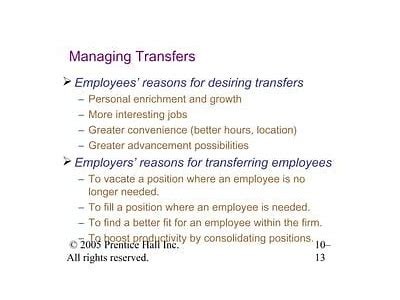
GS transfers fall mainly into two categories: competitive and non-competitive transfers. Competitive transfers require employees to compete for open positions by submitting applications, undergoing interviews, and demonstrating qualifications relative to peers. Non-competitive transfers, on the other hand, allow certain employees, under specific conditions, to move directly between agencies or departments without undergoing the competitive process. This flexibility can be advantageous for those seeking timely relocations or occupational shifts.
Process and Eligibility for GS Transfers
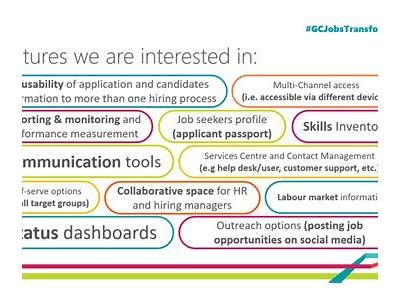
To initiate a GS transfer, employees must meet eligibility criteria, which may include performance ratings, length of service, and job qualifications. The process typically involves identifying a desired position, obtaining approval from current supervisors, and coordinating with the prospective agency's human resources department. Employees are encouraged to research open positions through USAJOBS and network with contacts within target agencies to increase transfer opportunities.
Impact of GS Transfers on Career Development
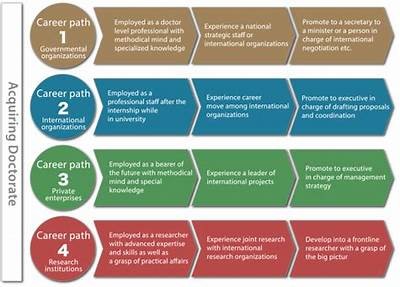
GS transfers can have profound benefits on career development. First, they provide exposure to different functional areas, allowing employees to broaden their skill sets and gain interdisciplinary knowledge. Secondly, transfers can facilitate upward mobility by enabling employees to access higher-grade positions or roles with more responsibility. Additionally, transfers can expand professional networks and enhance visibility among leadership, which is crucial for long-term advancement.
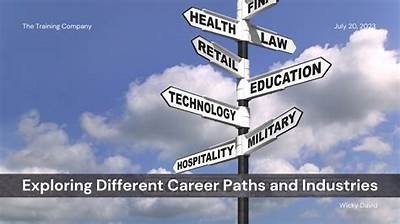
GS Transfers in Various Industries
Defense and National Security
The defense sector is highly dynamic, and GS transfers within this industry often involve technical, analytical, and management positions. Moving between agencies like the Department of Defense, National Security Agency, or Homeland Security can enhance an employee’s expertise in security protocols, intelligence analysis, and operational leadership. Transfers here can also offer access to advanced training and clearance levels, positioning employees for specialized roles.
Healthcare and Public Health
In healthcare-related federal agencies such as the Department of Veterans Affairs and the Centers for Disease Control and Prevention, GS transfers enable clinical professionals, researchers, and administrators to shift focus areas or geographic locations. This facilitates adaptation to emerging health challenges, participation in cutting-edge research, and involvement in policy implementation across diverse populations, which collectively enrich career trajectories.
Environmental and Energy Sectors
The environmental sector sees GS transfers between agencies like the Environmental Protection Agency, Department of Energy, and the National Oceanic and Atmospheric Administration. Employees moving across these organizations gain expertise in regulatory compliance, renewable energy initiatives, and environmental conservation. Transfers support career advancement by fostering multidisciplinary approaches to sustainability challenges and energy innovation.
Technology and Information Services
GS transfers within federal technology sectors, including agencies such as the General Services Administration and the Department of Homeland Security, emphasize digital transformation, cybersecurity, and IT project management. Transferring employees benefit from exposure to diverse technological ecosystems and evolving federal IT policies, crucial for developing leadership skills in a rapidly changing digital landscape.
Challenges Associated with GS Transfers
Despite their advantages, GS transfers come with challenges such as relocation stress, the need for rapid adaptation to new organizational cultures, and potential delays in gaining full operational responsibilities. Additionally, some employees may face difficulties in adjusting to different supervisory styles or performance evaluation standards, which can temporarily impact productivity and career momentum.
Strategies for Successful GS Transfers
To maximize the benefits of GS transfers, employees should adopt strategic approaches: thorough research about prospective roles, proactive communication with supervisors and HR departments, and continuous skill development to meet new job requirements. Leveraging mentorship and networking opportunities can also ease transition difficulties and enhance future career prospects.
Conclusion
GS transfers are a powerful tool for federal employees seeking career growth across various industries. By enabling mobility while maintaining pay and job security, transfers facilitate skill diversification, professional expansion, and upward career movement. Awareness of the processes, benefits, and challenges associated with GS transfers allows employees to make informed decisions that advance their professional goals and contribute meaningfully to their agencies’ missions.
Future Trends in GS Transfers and Career Development
Looking ahead, the landscape of GS transfers is expected to evolve with increased emphasis on remote work options, inter-agency collaborations, and digital skill requirements. Agencies are likely to adopt more flexible transfer policies to retain talent and meet emerging operational demands. Employees who stay adaptable and technologically proficient will be well-positioned to capitalize on these future trends, securing career advancement within the federal system.