How to Determine Your Eligibility for Crypto Airdrops and Claim Free Tokens Safely
Introduction to Crypto Airdrops
Crypto airdrops have become a popular way for blockchain projects to distribute tokens and incentivize user participation. By offering free tokens, projects aim to create buzz, expand their user base, and decentralize token ownership. However, not all airdrops are created equal, and users must be able to determine their eligibility and claim these tokens safely to avoid scams and maximize benefits.
What Are Crypto Airdrops?
A crypto airdrop refers to the distribution of free tokens or coins to cryptocurrency wallet holders. These distributions are usually done by blockchain projects to promote their platform or reward early supporters. Airdrops can take many forms, including standard airdrops, holder airdrops, bounty airdrops, exclusive airdrops, and decentralized autonomous organization (DAO) airdrops.

Types of Crypto Airdrops
Understanding different types of airdrops can help you identify which airdrops you might be eligible for:
- Standard Airdrops: Tokens are distributed to users who register with their wallet address.
- Holder Airdrops: Tokens are dropped to users holding a particular cryptocurrency at a snapshot date.
- Bounty Airdrops: Tokens given in exchange for promotional activities such as social media sharing or content creation.
- Exclusive Airdrops: Tokens distributed based on criteria like participation in a community or platform usage.
- DAO Airdrops: Tokens distributed to users participating in governance or activities related to decentralized autonomous organizations.
How to Determine Eligibility for Crypto Airdrops
To know if you qualify for a crypto airdrop, consider the following factors:

1. Holding Specific Tokens
Many airdrops reward holders of a particular cryptocurrency. For example, if a new token is launching on an Ethereum-based project, you might need to hold ETH tokens or another specified token. Checking the snapshot date and holding tokens prior to that date is essential.

2. Participation in a Blockchain Project
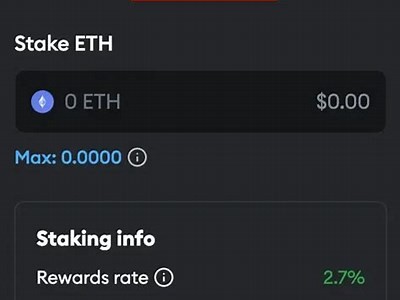
Some airdrops target users who actively participate in the ecosystem, such as using a decentralized application (dApp), staking tokens, or providing liquidity in decentralized finance (DeFi) platforms.
3. Community Membership
Joining the project’s community on platforms like Telegram, Discord, or Twitter can sometimes be a requirement. Some airdrops reward loyal community members and active contributors.
4. Completing Tasks or Bounties
Bounty airdrops often require users to perform specific tasks, such as sharing posts, writing reviews, or creating content. Eligibility depends on completing these tasks as per instructions given by the project.
5. Wallet Compatibility
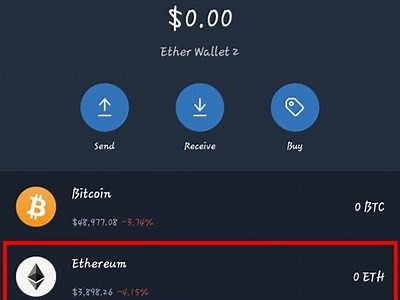
Since airdrops are distributed to blockchain addresses, having the correct wallet that supports the related blockchain network is crucial. For example, Ethereum-based airdrops require an Ethereum-compatible wallet such as MetaMask, Trust Wallet, or Ledger.
6. Verification and Registration
Some projects require users to register on their website or verify their identity before becoming eligible for an airdrop. Pay attention to project announcements for details on registration processes.
Steps to Claim Airdrops Safely
1. Follow Official Channels
Always get information from the project’s official website, social media accounts, and verified communication channels. Be cautious of impersonators and phishing attempts.
2. Use Trusted Wallets
Use wallets that you trust and that have a good reputation in the community. Keep your private keys and recovery phrases secure and never share them with anyone.
3. Avoid Sharing Private Keys or Sensitive Information
No legitimate airdrop will ever ask for your private keys or seed phrases. Never share these credentials, as doing so can result in loss of funds.
4. Verify Smart Contracts
Before interacting with any contract to claim an airdrop, verify the legitimacy of the smart contract address through official project resources.
5. Beware of Phishing Sites
Always double-check the URL of websites you interact with. Phishing attacks often mimic project websites to steal credentials or funds.
6. Use a Secure Device and Network
Ensure that your device has updated security software and that you use a secure internet connection, avoiding public Wi-Fi for wallet access or token claims.
7. Be Patient and Avoid Too-Good-To-Be-True Offers
Scammers often lure users with promises of huge token giveaways. Legitimate airdrops are usually announced well in advance and have clear eligibility criteria.
How to Track Airdrops Effectively
Keeping track of ongoing and upcoming airdrops is vital to maximize your earnings. Here are some ways to stay informed:
- Airdrop aggregator websites: Use trusted platforms like AirdropAlert, CoinMarketCap's airdrop page, or other crypto news sites.
- Social Media Monitoring: Follow official project accounts and crypto influencers. Twitter and Telegram are popular channels for airdrop announcements.
- Newsletters and Forums: Subscribe to crypto newsletters and engage in platforms like Reddit to discover airdrop opportunities.
- Wallet Notifications: Some wallets offer alerts about airdrops relevant to tokens held in your wallet.
Legal and Tax Implications of Crypto Airdrops
It is important to understand the legal standing and tax obligations related to received airdrop tokens. These vary by jurisdiction but generally include:
- Tokens received are often considered taxable income at the time of receipt.
- Subsequent disposal of tokens, such as sales or exchanges, may also trigger capital gains tax.
- Maintaining proper records of airdrops and transactions is essential for accurate reporting.
- Consulting with a tax professional or legal advisor knowledgeable in cryptocurrency is advisable.
Common Mistakes to Avoid When Claiming Airdrops
Many users miss out or lose money due to errors such as:
- Falling victim to scams and phishing attempts.
- Sharing private keys or seed phrases.
- Ignoring eligibility criteria or missing snapshot dates.
- Using incompatible wallets or networks.
- Failing to secure wallets with strong passwords and two-factor authentication.
Conclusion
Crypto airdrops offer a rewarding opportunity to receive free tokens, participate in new projects, and grow your portfolio without direct investment. However, claiming airdrops safely requires careful verification of eligibility, use of secure wallets, and vigilance against scams. Staying informed through reliable sources and understanding the legal implications will help you navigate the airdrop landscape confidently and successfully.